Decolonizing Design History Grant (2026)
Research grant - Design History - Colonial studies - Theme Park studies
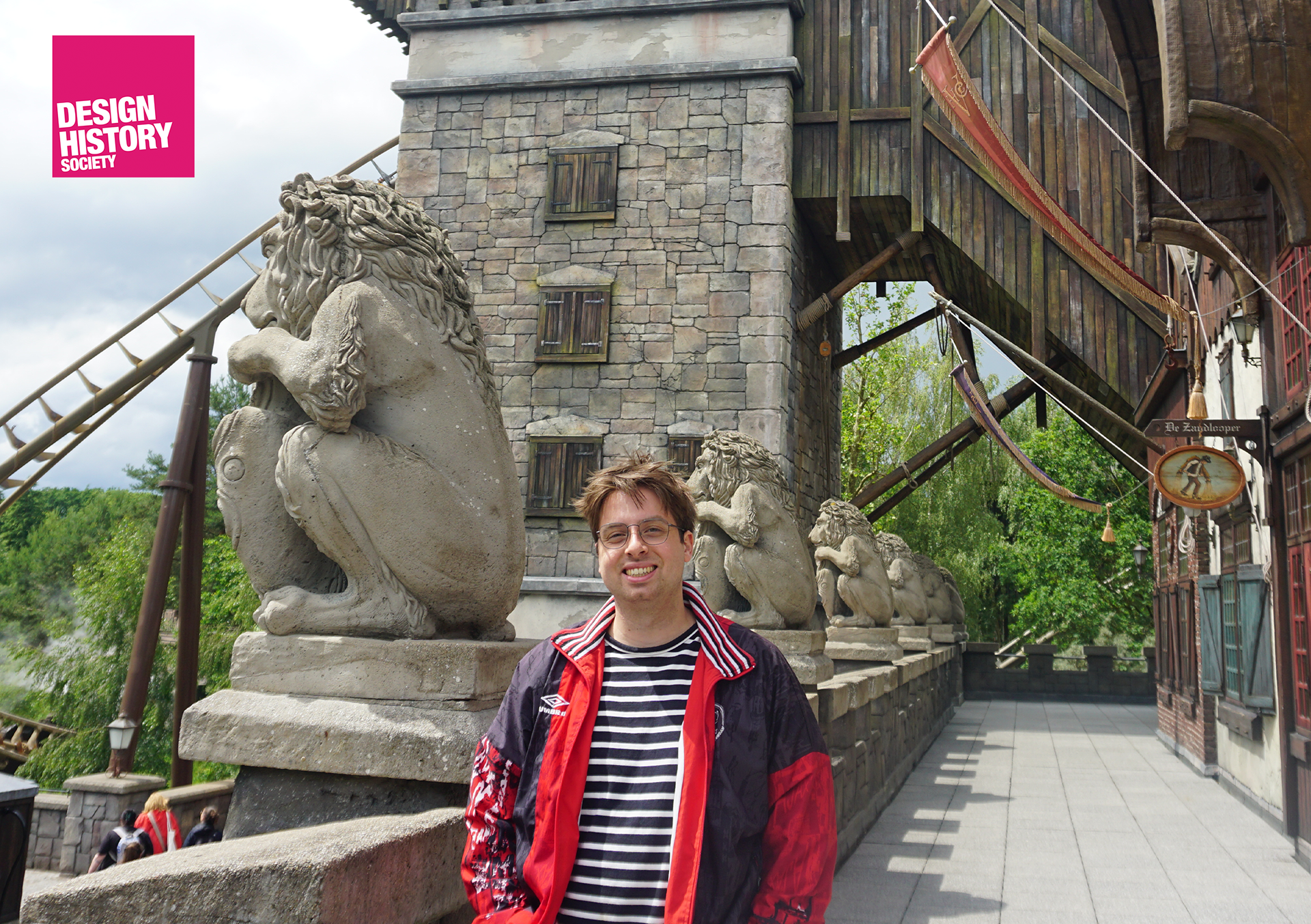
At the start of 2026 I received a research grant from the Journal of Design History Society to research the décor of the Efteling and its relation to Dutch history, Colonialism, and Design. This page is the resulting blogpost which can also be found on the Design History Society website.
During my studies in Design Cultures at the VU Amsterdam I got introduced to various perspectives on the study of design, One of which was the lens of ‘colonial repair.’ In the lecture the Halve Maen, a ship from the Dutch East Indies Company (VOC) that was involved in the colonization of Manahahtáanung[1] (Manhattan) was given as an historic example of the Dutch colonial past. The name was familiar to me, and I realized I knew the concept of it through an attraction in the renowned Dutch theme park De Efteling.
[1] https://www.amsterdammuseum.nl/tentoonstelling/manahahtaanung-of-nieuw-amsterdam/89642
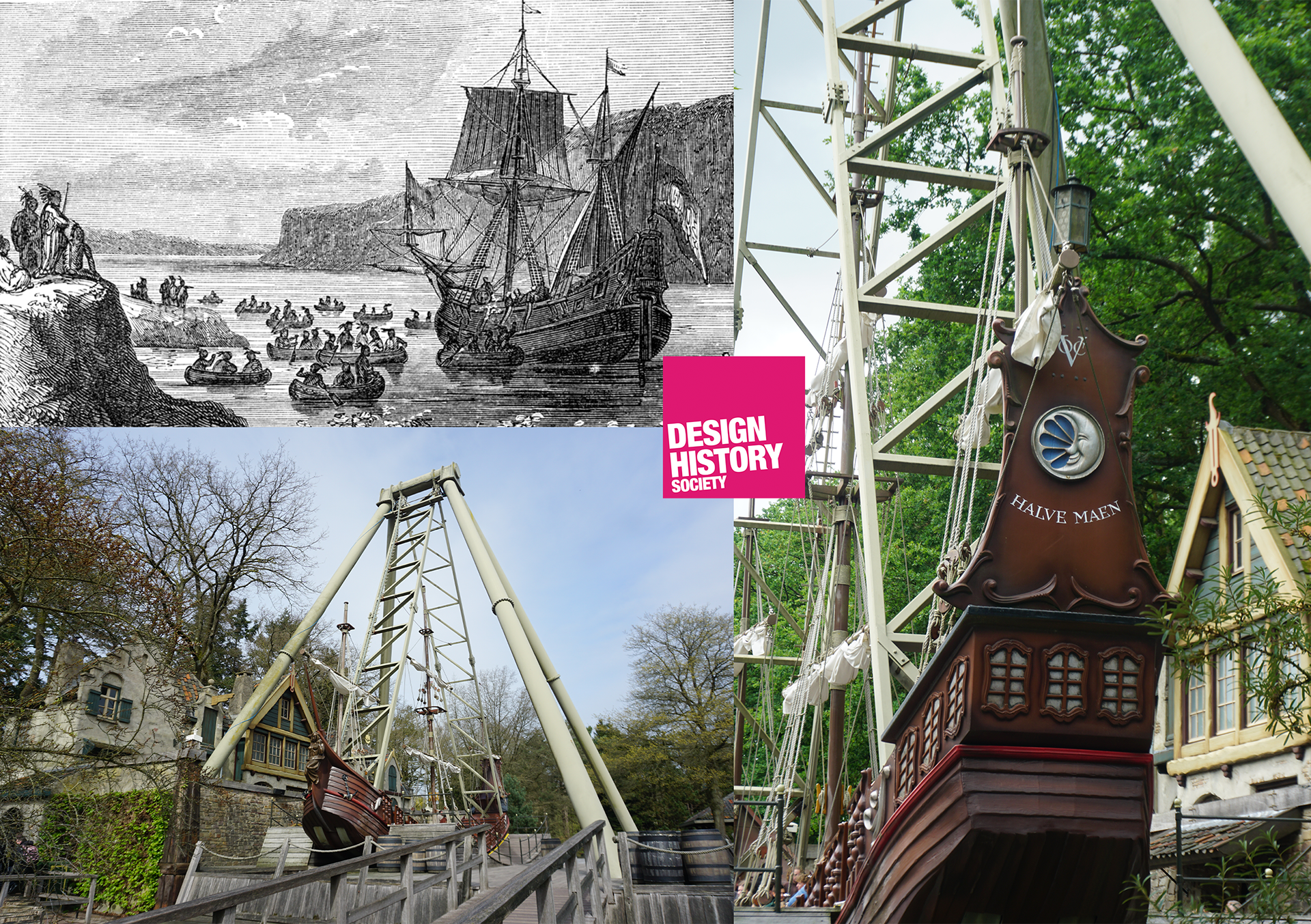
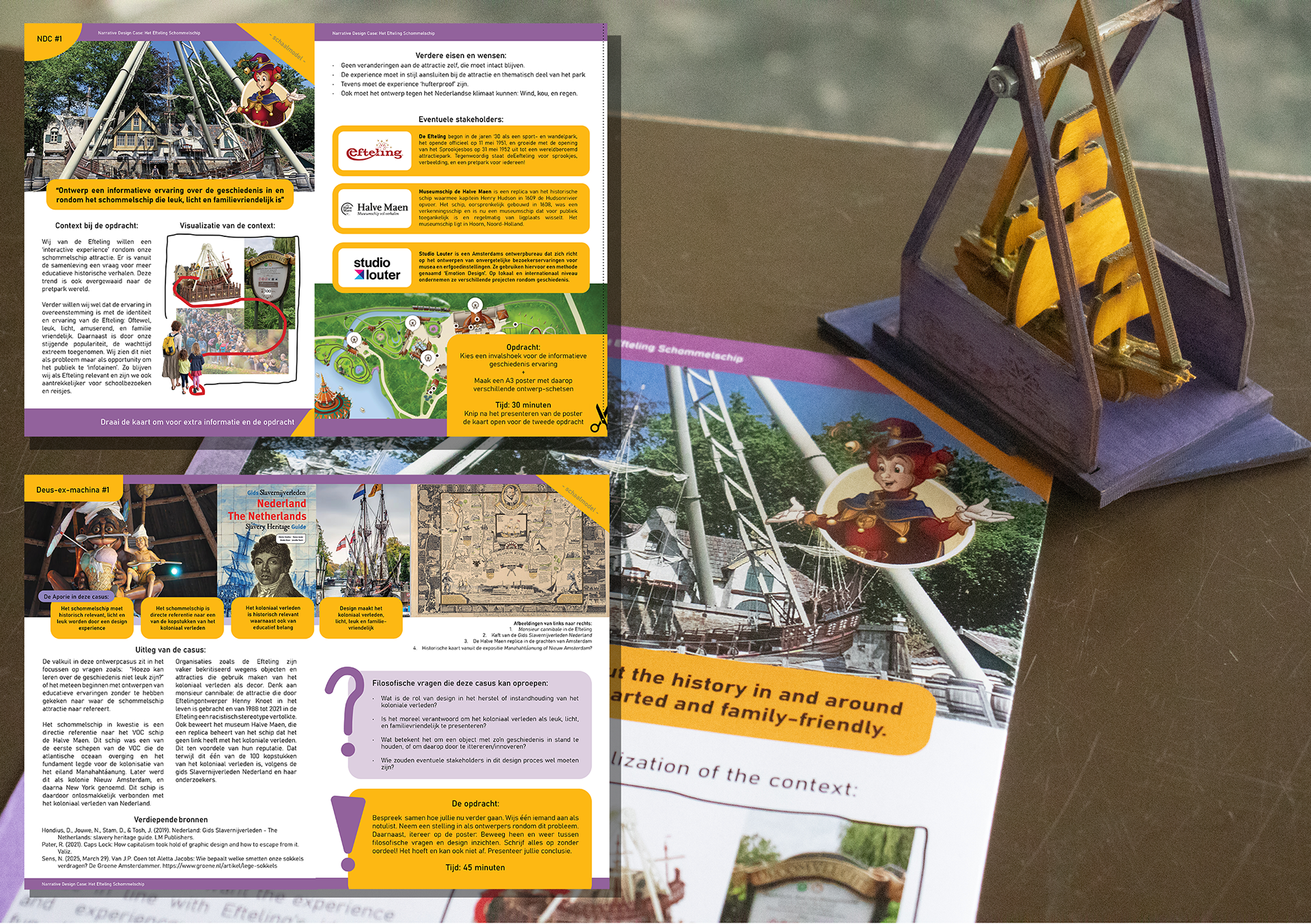
In my MSc. thesis at TU Delft in which I focused on design ethics and education, I dove into this ship’s history further. Using it as an example for an ‘impossible design case;’ a case in which a student would try to redesign a problematic theme park ride such as the Halve Maen, to make it more fun and family friendly, based on its history[1]. After my graduation this particular case study still had a hold on me, and I was eager to further explore this history and the link between the colonial inspired décor of the Efteling.
[2] Douenburg, Nathan. “Impossible by Design: Philosophy and Design Exercises for Contemporary Design Engineering Education.” MSc. Thesis, Technical University of Delft, Faculty of Industrial Design Engineering, 2025. https://repository.tudelft.nl/record/uuid:75bb6938-30b3-44fa-b0f9-99f0ec4e190c.
This interest was my motivation for applying for the Decolonizing Design History grant, as well as being able to undertake this research project independently. The funding was crucial to facilitate the practical necessity of the research: the Efteling is an expensive theme park and not easily reachable, as well as the Efteling’s own history books having become expensive collectors’ items Through this grant I could acquire the literature and visit the park.
Up until this point, the Efteling has not been recognized as a topic of research. There are almost no academic publications on this theme park, and the most significant body of research is carried about by students and their master thesis. There is however quite some non-scholarly material, mostly journalism, regarding the infamous and controversial Monsieur Cannibale attraction; A racist caricature which has garned all the focus on the topic of colonialism and theme parks[1]. I was much more interested in the attractions which had little to no public controversies or academic attention, but still exhibit the same ‘impossible design’ qualities.
For this project, I sought out a sparring partner and mentor, because I could not do this alone. After some time I found Manon Portos Minetti from Universiteit Leiden, they work as an interdisciplinary U.S. American studies scholar and lecturer. One of Portos Minetti’s case studies as part of their dissertation is about theme parks and colonialism. Therefore, this project was not only a match in expertise but one of interest and enthusiasm as well. Combining our expertise, we had engaging meetings and came to new insights regarding both our disciplines.
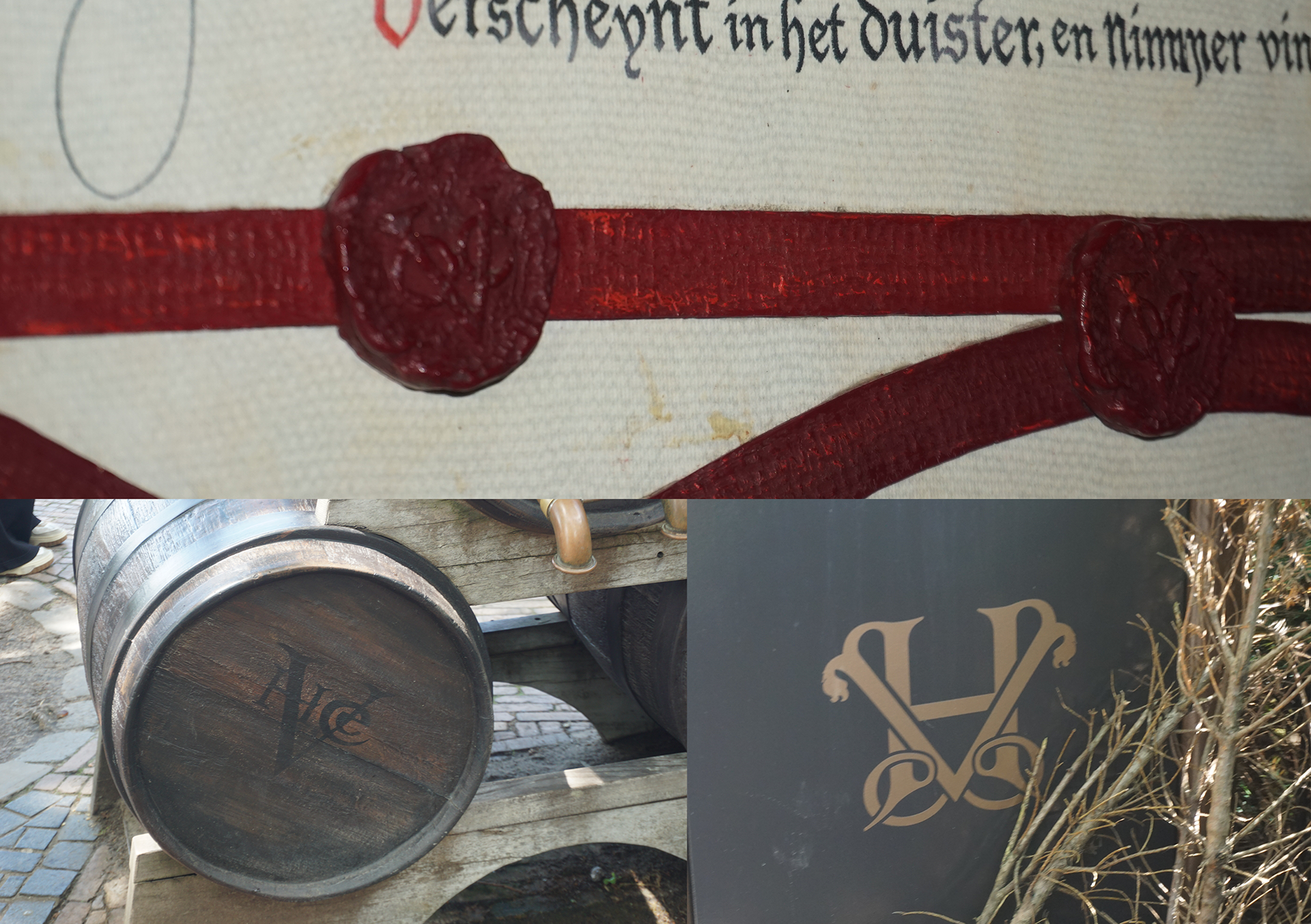
With the help of Portos Minetti, I found a well-off way to analyse the subject at hand. Through a comparative analysis of two similar theme park rides and their (re-)mediation, I researched the dissonance between decolonization attempts and the actual park décor. Making use of ethnographic insights, self-made photographic material, and multiple visits with and without experts. The comparison is done between the Halve Maen swinging ship, and the rollercoaster ride The Flying Dutchman. Both attractions take place in a décor inspired by the same colonial period of The Netherlands.
[3] Os, Pieter van. “Monsieur Cannibale (1989 – 2021) paste niet meer in deze woke-tijd.” De Groene Amsterdammer, September 22, 2021. https://www.groene.nl/artikel/monsieur-cannibale.
The manuscript for this research project is currently in development, with the help of Manon Portos Minetti. For which I am ever grateful. Next to this, I would like to thank Adrienne Rooney for motivating me to do more with my initial idea.
I am deeply grateful for the support I received from the Design History Society. Opportunities as these contribute to autonomous research projects in between my masters and PhD. This grant has facilitated multiple visits to do the field research, as well as helping me find a mentor to tag along on this research journey.